Find Coverage
Medical Coverage: Getting Started
Most major medical insurance providers – including Advantage plans, Tricare, and regional plans cover OAT. We pre-authorize each patient to make getting started easy.
Coverage varies depending on your plan and policy. If you qualify, you typically can expect to pay any unmet deductible for the year, along with any copay or coinsurance fee your insurance plan requires.
CPAP machines and OAT can BOTH be covered by your insurance if medically necessary.





Always check your individual plan, or for a full list of participating insurers, contact our experts.
General Info
Your medical insurance can cover a sleep apnea mouth guard the same way it covers CPAP therapy or other sleep apnea treatments.
Requirements for Oral Appliance Therapy
To be a candidate you must meet the following FDA indications:
- Must be 18 years or older
- Must be diagnosed with Obstructive Sleep Apnea.
How Can OAT Be Used?
- Can be used as first line therapy
- Great for CPAP intolerant patients
- Can be used in conjunction with CPAP
- Most patients are not required to try CPAP machines
Look for sleep apnea dentists trained specifically in oral appliance therapy through the American Academy of Dental Sleep Medicine.
What Are Oral Appliances for Sleep Apnea?
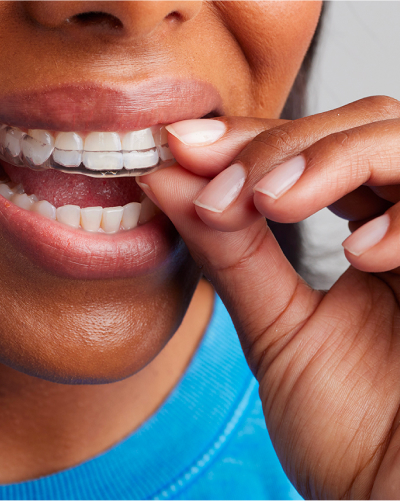
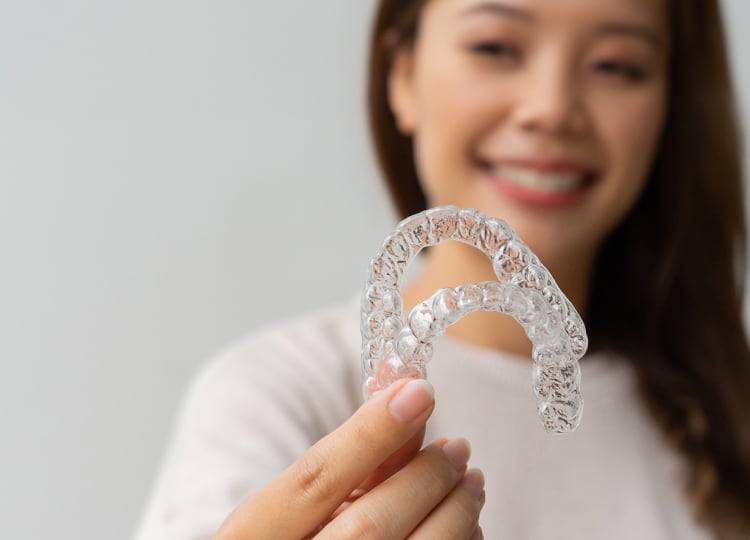
Oral appliances are custom-fitted devices that treat obstructive sleep apnea by gently repositioning your lower jaw forward during sleep. This keeps your airway open so you can breathe normally throughout the night.
Mandibular advancement devices (MADs) are the most common and widely studied type of oral appliance. These are custom-made using digital impressions of your teeth to ensure a precise fit for your jaw alignment.

Oral Appliances vs. CPAP Machines
CPAP is often the first treatment physicians prescribe for obstructive sleep apnea. It works by delivering pressurized air through a mask to keep the airway open during sleep. While CPAP is highly effective, many patients struggle with mask discomfort, bulky equipment, air leaks, or feelings of claustrophobia — which can limit long-term use.
Oral appliance therapy is the second most common evidence-based treatment for obstructive sleep apnea. These custom-fitted devices — similar to a mouthguard — gently reposition the lower jaw forward to help keep the airway open during sleep. Because there’s no mask, hose, or machine involved, oral appliances are simple to use, easy to travel with, and allow patients to sleep comfortably in any position. Oral appliances are especially effective for mild to moderate sleep apnea and for patients who are unable to tolerate CPAP.
Health Insurance Coverage and Payment Options
Most major health insurance plans cover oral appliance therapy for sleep apnea, including Medicare, Medicare Advantage, Anthem, and UHC plans. Look for providers who handle the insurance pre-authorization process for you before you start treatment.
Your out-of-pocket costs typically include any remaining deductible for the year, plus your plan’s copay or coinsurance. Since coverage varies by plan, verify your specific benefits upfront to avoid surprises.
Medicare Coverage
Medicare Part B covers custom oral appliances when medically necessary. You’ll need a sleep apnea diagnosis and prescription from your physician. Providers can work directly with Medicare to manage approvals and billing.
HSA and FSA
Oral appliance therapy qualifies for Health Savings Account (HSA) and Flexible Spending Account (FSA) payments, allowing you to use pre-tax dollars toward treatment costs.
What Affects Your Out-of-Pocket Cost?
Your final cost depends on your insurance plan’s deductible, copay, and coinsurance requirements. Find providers using the same high-quality, custom-fitted oral appliances for all patients. Your health insurance benefits determine what you’ll pay, not device “tiers” or upgrades.
Cost of Oral Appliance for Sleep Apnea vs. Other Treatments
When billed through insurance, oral appliance therapy typically costs about half as much as CPAP therapy over five years. Here’s how the costs compare:

CPAP Therapy:
Requires ongoing replacement supplies like masks, filters, and tubing, plus electricity costs to run the machine each night.
Oral Appliances:
No replacement supplies are needed – only the initial custom device and occasional adjustments during follow-up visits are required.
General Dentists:
General dentists who occasionally provide oral appliances often bill the service as a dental procedure, which typically isn’t covered by medical insurance. Providers who specialize in dental sleep medicine, like Alterna Sleep, bill through your medical insurance — significantly reducing what you pay.
Questions About Your Insurance Coverage? We Can Help
Call Alterna Sleep at (888) 973-5119 to find out what your plan covers for oral appliance therapy and what you’ll pay out of pocket.
Frequently Asked Questions
Oral appliance therapy is available at dental sleep medicine clinics throughout Ohio. Look for providers trained through the American Academy of Dental Sleep Medicine who specialize in custom-fitting oral appliances for sleep apnea.
Oral appliance therapy requires in-person appointments for custom fitting and follow-up adjustments, so you’ll need to visit a local Alterna Sleep clinic. Check our locations page to find the nearest office.
Most major health insurance plans, including Medicare, Medicare Advantage, Anthem, and UHC, cover oral appliance therapy. Verify your benefits before you start treatment so you know what to expect in terms of out-of-pocket costs.
Oral appliance therapy works well for many patients with mild to moderate sleep apnea, especially those who haven’t had success with CPAP. Schedule a consultation to find out if you’re a candidate.
Questions About Cost & Coverage?
Ask an OAT expert! We’ll get the answers you need.